ANIMAL EMERGENCY
& SPECIALTY CENTER
775-851-3600
6425 S. Virginia St., Reno, NV 89511
OPEN 24/7
Scroll Up
ANIMAL EMERGENCY
& SPECIALTY CENTER
775-851-3600
6425 S. Virginia St., Reno, NV 89511
OPEN 24/7
Scroll Up



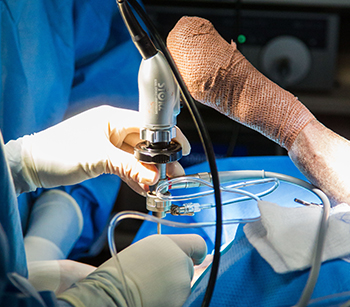
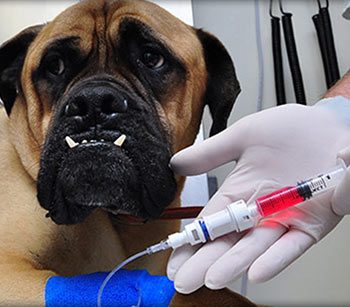
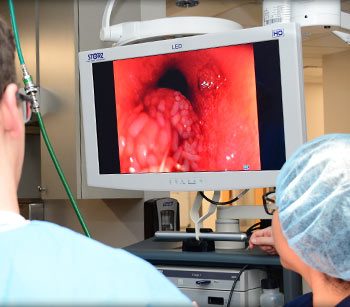
Animal Emergency and Specialty Center of Reno was established in 1992 to provide veterinary emergency and after hours care for the Truckee Meadows area. The hospital opened with 2 full time veterinarians and a handful of staff. Today we have 9 full time veterinarians, 3 board certified specialist (starting mid-fall of 2017), and over 30 support staff. We are located at 6425 South Virginia Street in south Reno and are open 24 hours a day, 7 days a week.
Animal Emergency and Specialty Center’s mission is to provide exceptional emergency, critical care, and specialty services delivered with compassion by dedicated professionals practicing evidence-based, state of the art veterinary medicine.
All of our doctors have taken a special interest in Emergency Medicine and Critical Care. They attend continuing education meetings and spend extra time staying up to date on the latest advances in emergency medicine. We also take a team approach to the management of difficult cases and work together to give each patient the best possible treatment.

Animal Emergency & Specialty Center provides 24hr Emergency Veterinary Care for the Sparks-Reno metropolitan area. View our full list of services in our VETERINARY SERVICES page

(Click on photo to read full bio)
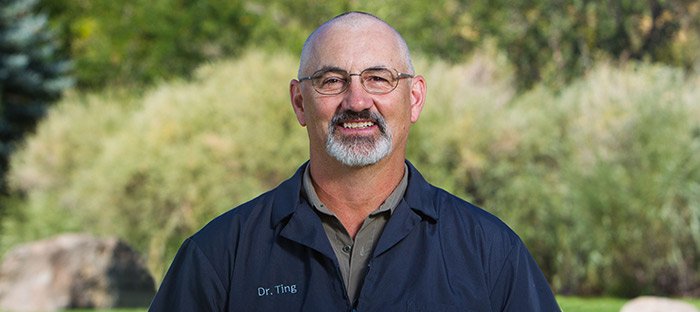
Dr. Ting is a native Nevadan having grown up in Verdi, Nevada. He attended the University of Nevada, Reno and graduated with honors with a Bachelor of Science in Biology in 1993. He was also a Team Captain and an Academic All American on the 1983 Big Sky Championship Football Team. After graduating from UNR, Dr. Ting attended Colorado State University graduating third in his class, with his Doctor of Veterinary Medicine in 1988.